Restorative dentistry
Zirconia crowns: what are they and who might they suit?
What is a zirconia crown, when might it be recommended, how is it made and how should you care for zirconia restorations?
· 5 min read
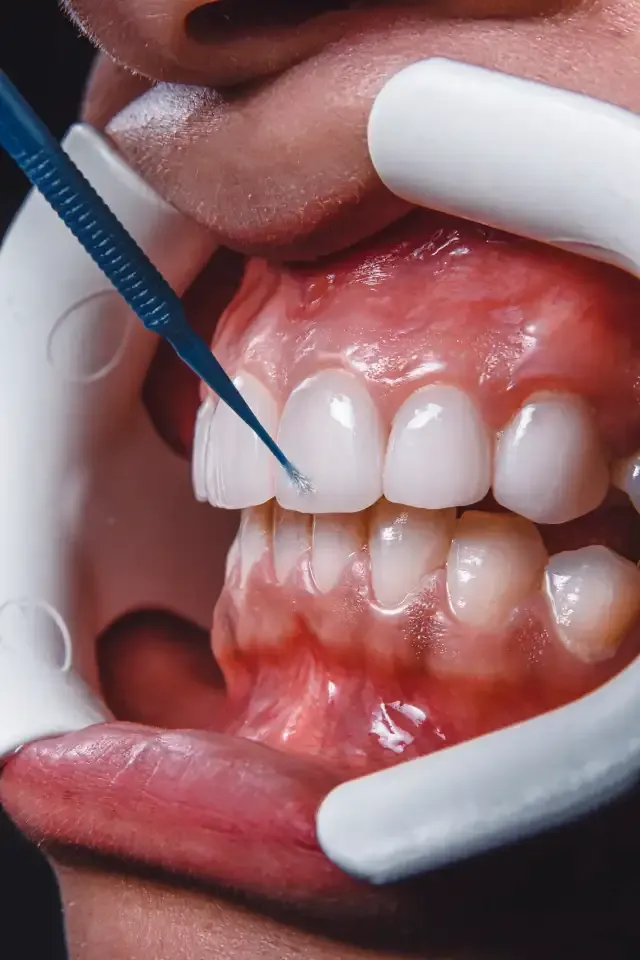
“Zirconia” has become one of the most talked-about words in dentistry in recent years. But what exactly is a zirconia crown, what is it used for, and what does the procedure involve? Here are the answers to the main questions.
What is zirconia?
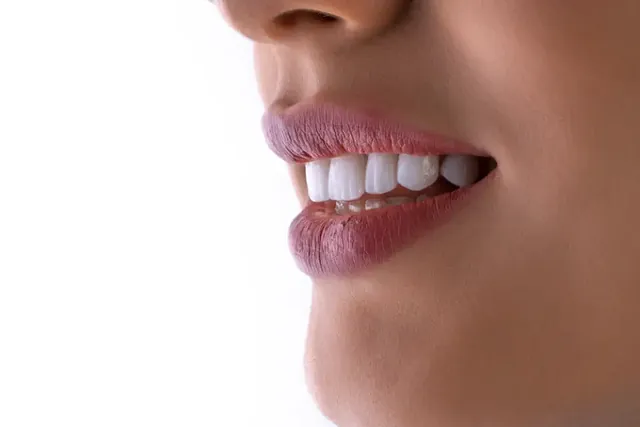
Zirconia (zirconium dioxide) is a ceramic material used in dentistry to make crowns and bridges. It contains no metal, so it transmits light and does not create a dark line at the gum edge. This makes it a popular choice for aesthetic restorations.
When might a zirconia crown be considered?
Every case is individual, but a zirconia crown is usually discussed when:
- a large part of the tooth is broken down or has a large filling;
- the tooth needs protection after root canal treatment;
- old metal-ceramic crowns are to be replaced;
- the shape and colour of the teeth need to be changed;
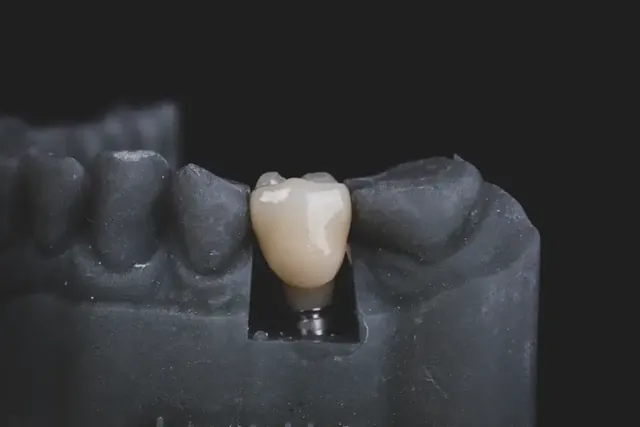
- fixed teeth are being made on implants.
Whether you need a zirconia crown is decided by the dentist based on an examination and, if necessary, an X-ray.
What does the procedure involve?
- Consultation and examination. The condition of the teeth, gums and bite is assessed.
- Planning. The shape and shade of the teeth and how they suit your face are planned.
- Tooth preparation. The tooth is shaped so that the crown fits correctly.
- Impressions. Precise measurements are sent to the laboratory.
- Laboratory work. Each tooth is crafted separately with an individual approach.
- Fitting. The crown is tried in, adjusted if needed, and fixed in place.
The number and length of visits depend on each patient’s situation.
What matters for a natural look?
How good a zirconia crown looks does not depend on the material alone. The key factors are:
- correct shade selection (using a shade guide);
- a tooth shape that matches your face and the neighbouring teeth;
- careful planning of the transition between the crown and the gum;
- the quality of the laboratory and good teamwork between dentist and technician.
In our practice every tooth is crafted separately for each patient. Our aim is a natural, harmonious smile that suits the facial features.
How to care for zirconia crowns
Decay does not develop in the crown itself, but the natural tooth underneath and the surrounding gum still need protection.
- Use a soft toothbrush and a low-abrasive (low RDA) toothpaste — this protects the polished surface;
- choose highly abrasive whitening pastes with care;
- use dental floss or interdental brushes;
- avoid biting hard objects (ice, nutshells, etc.);
- have regular check-ups.
Frequently asked questions
What is the difference between zirconia and E-max?
Both are ceramic materials, but their properties differ. The choice depends on the position and condition of the tooth and the aesthetic goal, and is explained at the consultation.
Does zirconia work well with the gums?
Zirconia is considered a material that is well tolerated by gum tissue. Daily hygiene is important to keep the gums healthy.
How much does it cost?
The cost depends on the number of crowns and your personal treatment plan. Exact information is given after the consultation.
This article is for information only and does not replace an examination by a dentist.
Book a consultation: WhatsApp — +994 50 224 52 25